
Tai Chi Basics (1) - Bow Stance
The Bow Stance (Gong Bu) is the most fundamental posture in Yang Style Tai Chi. It’s often described as the "mountain" of the form—solid, stable, and ready to generate power. Think of it like a bow string pulled taut, ready to release energy.
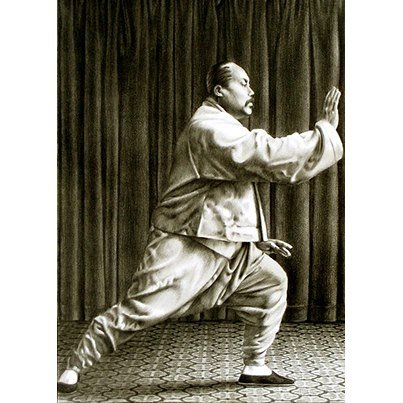
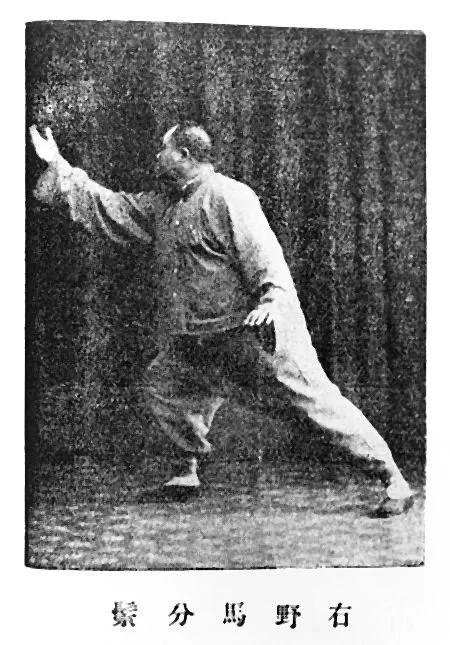
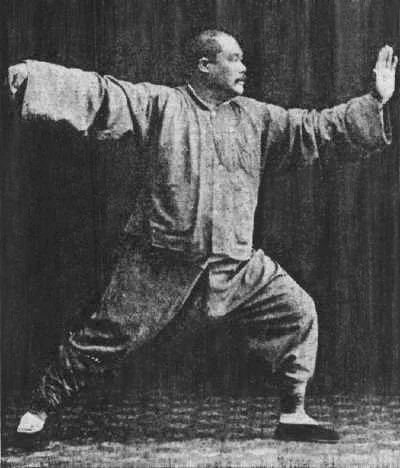
Here is the breakdown of how to achieve a structurally sound Yang Tai Chi bow stance.
1. The Geometry (Feet and Legs)
Alignment is everything in Tai Chi to protect your joints and maintain balance.
Width (The "Train Tracks"): Never stand on a tightrope. Your feet should be hip-width apart. If you drew two parallel lines forward, each foot would stay on its own line.
Length: Roughly two and a half to three "foot-lengths" long, depending on your height and flexibility.
Weight Distribution: In Yang style, the ratio is typically 60%-70% weight on the front leg and 30%-40% on the back leg.
The Back Foot: Your back foot should be angled outward at roughly 45°. This allows the hips to square forward without straining the knee.
2. Structural Checkpoints
To ensure you aren't leaking energy or putting pressure on your lower back:
Front Knee: It should be directly above the ankle; never past the toes. DO NOT let the knee "collapse" inward or overshoot the toes.
Hips: It should be either square facing toward the front toe direction or side-facing toward the rear toe direction.
Torso: If sqaure facing, the torso should be forward leaning appropriately to reduce the stress on the lower back. If side-facing, the torso should be upright and centered. Your crown of the head should be pulled up. You should not lean too far forward or arche the lower back.
Back Leg: It should be straight but not locked. A "micro-bend" keeps it active. You should not hyperextend.
3. The "Kua" and Grounding
The secret to a powerful bow stance isn't in the muscles—it's in the Kua (the inguinal crease/hip joint).
Sinking: Imagine your weight dropping through your feet into the floor.
The Root: You should feel "rooted," as if your legs are the trunk of a tree and your feet are sending roots into the earth.
Why it Matters
In Yang Style, the bow stance is used for "Peng" (Ward-off), "Ji" (Press), and "An" (Push). If your stance is too narrow, you'll tip over sideways; if it's too short, you'll lose your forward driving power.
Pro Tip: If you feel pain in your back knee, check your back foot angle. Turning the toes slightly further forward (closer to 30° instead of 45°) often relieves that twisting pressure.